
From filling boredom over the Pacific to curating a community in the Australian rap scene, sample-based producer Kiyan.mp3 delivers one of the most compelling underground hip-hop projects of the year.
For anyone drawn to the dusty, sample-heavy production and unconventional lyricism of artists like MIKE, Earl Sweatshirt and The Alchemist, duende is an exciting reminder of the talent emerging from Australia's own scene.
The ten track project features verses from 33grey, Sumi, Perry Maysun, Kuna, Sid Aili and Miles Nautu, each bringing their own distinct sound to Kiyan's production while sharing an affinity for the abstract and experimental side of hip-hop.
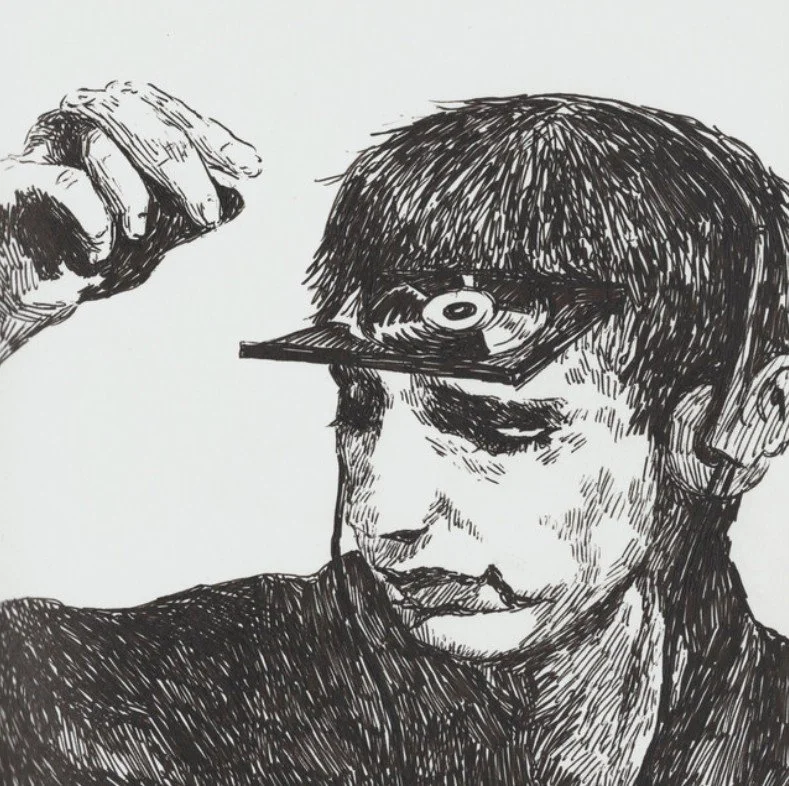
“duende” cover artwork by Alexandria (Instagram: @alexxdacc)
The title duende comes from a Spanish expression describing a special quality or soul in artistic performance, commonly associated with dance and flamenco. It's a fitting name for a project built around soul, R&B and jazz samples, with Kiyan drawing on the emotion and expression within these recordings to give his instrumentals their own character.
Beyond its musical significance, the title also holds a personal connection to Kiyan's Chilean heritage.
“I wanted it to be named after something Hispanic, as half my family is from Chile, and I wanted my abuela and abuelo to be able to understand my music to some extent, as they still somewhat struggle with English.”
The beginnings of duende trace back to a flight to New York in March this year, when Kiyan began making beats simply to pass the time. What started as a way to fill the boredom gradually developed into something much bigger.
“As I got to around 10 or so beats, I realised I could turn this into something more. I started to arrange the beats in a way that made sense to me and gave them some meaning.”
Kiyan eventually built a collection of around 25 instrumentals, drawing inspiration from producers like Conductor Williams, The Alchemist and Madlib. Having previously released predominantly instrumental music, he saw an opportunity to take the project beyond his own production by bringing together a range of Australian rappers.
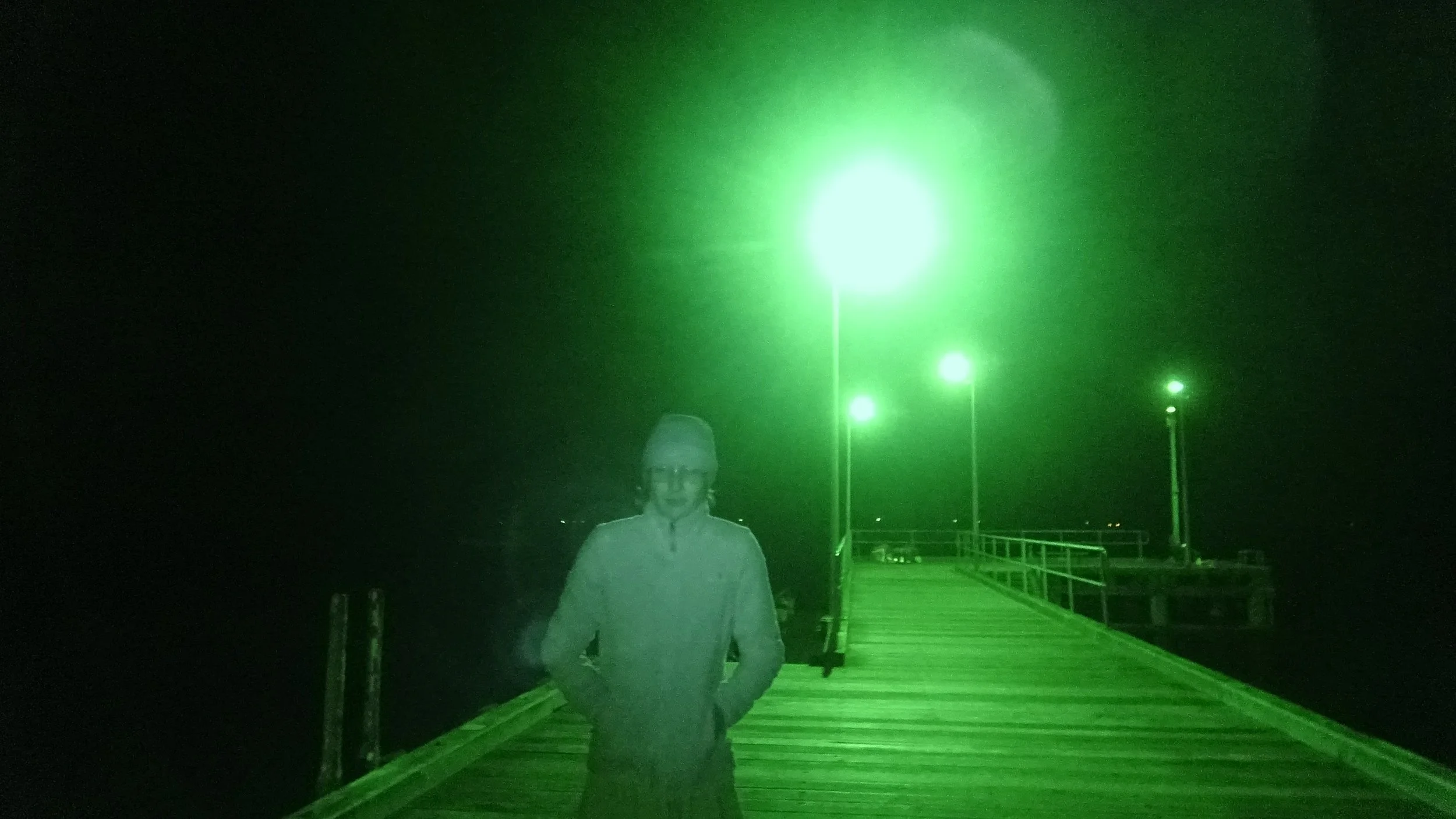
Rather than producing with specific rappers in mind, the majority of duende was built around instrumentals that already existed. From a selection of his favourite beats, collaborators were given the freedom to choose whichever they connected with, leaving room for their individual approaches to shape the finished tracks.
Finding the right artists was a relatively simple process.
“Honestly, I would just cold DM rappers who I thought would fit in my sort of production, and 9 times out of 10 it would work.”
Perry Maysun's contribution was an exception, though. Having admired Perry's music for some time, Kiyan was sent an unused verse from Pathetic Beasts. Building an instrumental around the existing vocals proved challenging, but the result became one of his favourite beats on the record.
Beyond the music itself, it's the relationships formed through duende that Kiyan considers the most rewarding part of the project.

“I’ve said it a lot, but the community I built myself throughout this project was the best. In the past year or so, I’ve met or connected with insane amounts of musical and creative talent, and they have had a hand or inspired me in creating ‘duende’. These people I will have a connection to forever with this project.”
His appreciation for those connections also reflects a broader enthusiasm for the talent within Australia's underground hip-hop scene.
“Australia still has so much underground talent, and I think this was my small part in trying to showcase that, and hopefully future projects I make will continue to do that.”
Despite the range of voices featured on duende, Kiyan's production remains the thread connecting its ten tracks. The record moves deliberately from a more upbeat first half into a laid-back, downtempo second half, with particular attention given to transitions between songs.
For Kiyan, samples offer a way of expressing himself without necessarily relying on his own voice.
“I think I wanted to dictate a feeling through these beats rather than saying anything. Or I’d get the samples to speak for me.”
This approach is particularly evident on the track in2lude, where a sample referencing a heart being broken “in two” becomes a playful interpretation of the word “interlude”.
When asked what makes the project distinctly his, Kiyan also spoke about the difficulty of promoting music in which his own voice doesn't appear. It's an interesting challenge for a producer whose creative identity is expressed primarily through the instrumentals themselves.
Getting duende across the finish line wasn't without its difficulties. From sample clearance issues to complications with distributors and features that couldn't be completed in time, the project presented its fair share of challenges.
Yet it's the connections formed throughout the process that make duende Kiyan's proudest project to date. With more collaborations already in mind, the record feels less like a finished chapter and more like a starting point for his continued involvement in Australia's underground hip-hop scene.